Request a FREE SEO audit & quote
Unlock the full potential of your online presence with our expert SEO services.
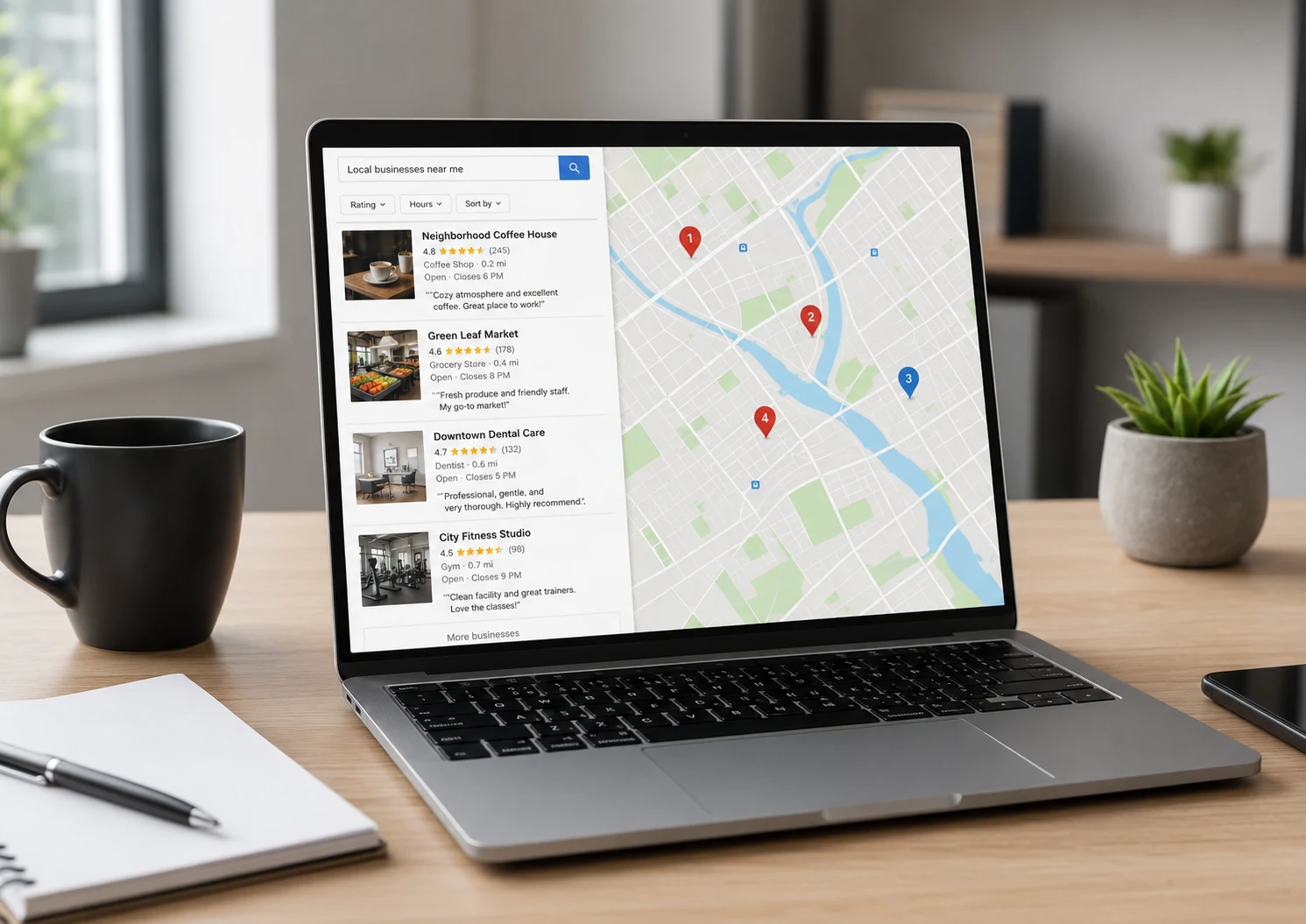
Most local business owners understand that Google reviews are important, but many are unsure about how much influence they actually have on local search rankings. With so many factors contributing to local SEO success, it can be difficult to know whether reviews deserve the same attention as website optimisation, local citations or Google Business Profile management. Businesses working with a digital marketing agency in Sydney often ask where reviews fit within the broader ranking picture and whether investing time in review management delivers measurable results.
The reality is that Google reviews play a role in local visibility, but their impact extends beyond star ratings alone. Review volume, review score, recency, content and customer engagement can all contribute to how a business is perceived by both Google and potential customers. In this article, Volcano Marketing explains how reviews influence local rankings, what aspects matter most and how businesses can use reviews to strengthen search visibility and customer trust.
Google reviews do influence local search rankings, although they are only one part of the overall local SEO picture. Businesses with a strong volume of recent, genuine and positive reviews may have an advantage in local pack results and Google Maps visibility compared with similar competitors that have few or poor reviews. Reviews help support prominence, which is one of the core factors Google considers when ranking local results.
The impact is not limited to the star rating alone. Review quantity, review score, recency, content and the way a business manages feedback all provide useful signals that can shape local visibility and customer behaviour.
Google has stated that local results are based mainly on relevance, distance and prominence, and that more reviews and positive ratings can help a business’s local ranking. This means that a business with more genuine, positive reviews may be more likely to appear higher in local results when other factors, such as location, relevance and basic optimisation, are comparable.
Several aspects of reviews can contribute to improved visibility:
These elements help Google and potential customers evaluate prominence when multiple businesses are located close together or share similar categories.
The text inside reviews may also support local relevance. When customers naturally mention specific services, products, suburbs or problems solved, they add useful context to the listing. This can help reinforce what the business is known for beyond the basic categories selected in the Google Business Profile.
For example, a plumbing company whose reviews consistently reference “emergency leak repair” or “same-day hot water system replacement” gives Google and searchers additional context about the services customers associate with that business. Over time, this may help strengthen the listing’s relevance for more specific local searches that align with how customers describe their experience.
Review content also supports customer decision-making. Detailed, persuasive reviews can make searchers more likely to click through, call, request directions or visit the website. Even where these actions are not a direct review ranking factor, they improve the overall performance of the listing and can help convert local search visibility into real enquiries.
How a business manages reviews has an indirect but meaningful effect on local performance. Consistent, thoughtful responses to both positive and negative feedback show potential customers that the listing is actively maintained and that the business values customer experience.
Effective review management also helps protect the overall strength of the profile. By responding professionally, resolving issues where appropriate and encouraging genuine customer feedback, a business can build a stronger review profile over time. This combination of higher volume, better ratings, richer review content and visible engagement supports local search visibility far more than relying on basic profile setup alone.
For local search visibility, Google reviews are not all equal. The volume of reviews, the average star rating and how recently customers have posted all influence how a business is perceived by Google and by potential customers. Understanding how these factors work together is essential for shaping a review strategy that supports stronger local rankings.
Google treats reviews as signals of trust and activity. A large number of authentic reviews, a strong rating and a steady flow of fresh feedback indicate a business that is popular and actively serving customers. Each element contributes differently, so focusing on just one rarely delivers the best results.
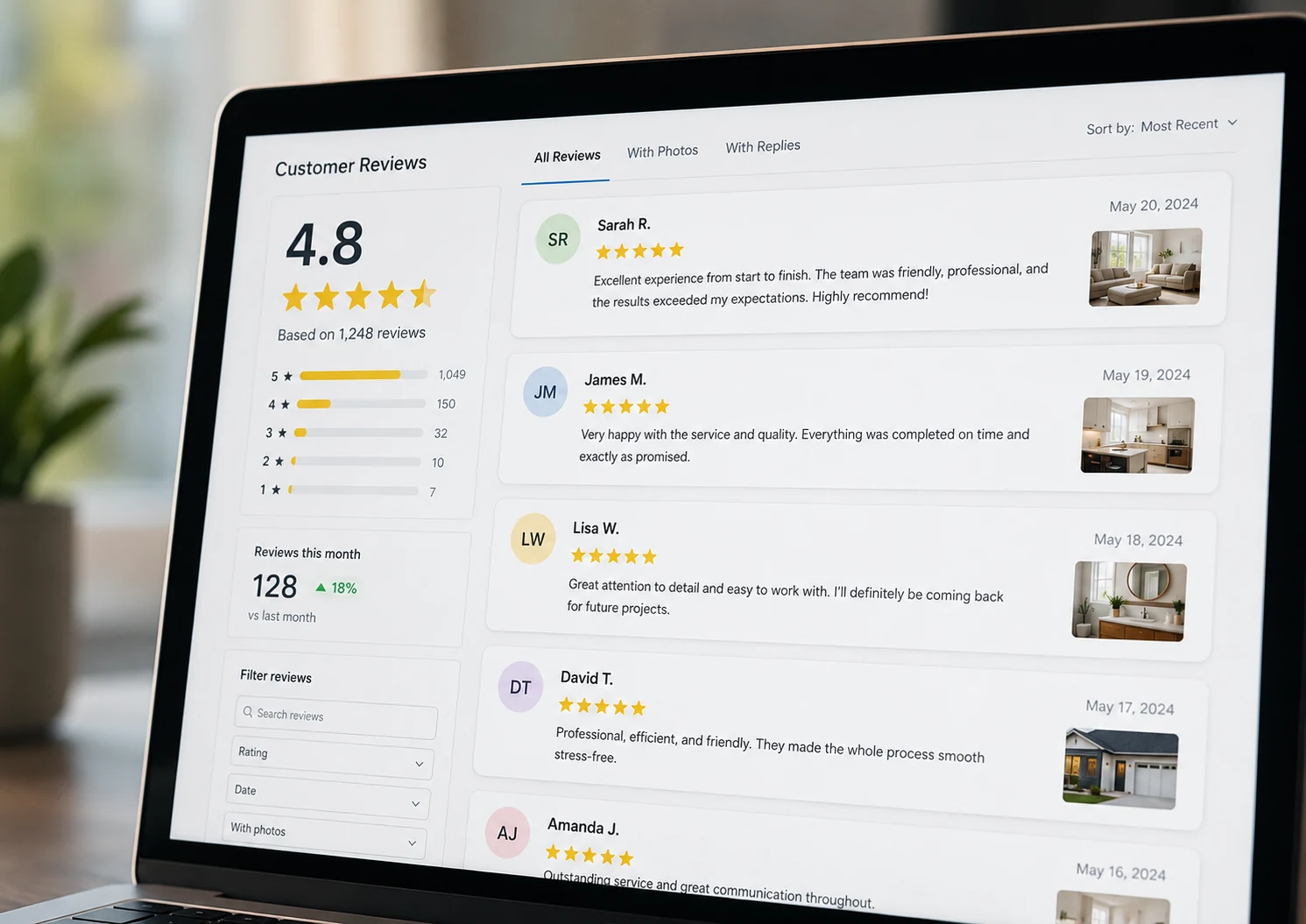
A higher review count helps in two ways. First, it gives Google more information about the business, increasing confidence in the listing. Second, it influences user behaviour because people are more likely to trust and click on a profile that has more reviews than competitors.
There is no public threshold where rankings are guaranteed to improve. However, some patterns are clear:
What matters most is having more legitimate reviews than direct competitors in the same area and category. Consistent review acquisition is safer and more effective than sudden spikes, which can look unnatural and may raise concerns about review authenticity.
Average star rating is a quality signal to Google and searchers. Ratings influence trust and click-through rate from the results page, which can indirectly support better local performance.
A high rating is helpful, but context matters. A perfect 5.0 rating with only a few reviews may feel less convincing to searchers than a slightly lower rating supported by a much larger number of genuine reviews. For most businesses, the goal should be a strong, believable average rating backed by consistent review volume.
If the average rating drops too low, the listing may be filtered out by users who apply rating filters and may receive fewer clicks. That reduced engagement can weaken the overall performance of the profile, even if the business still appears in local results.
Recency signals that a business is active and still delivering the level of service described in older reviews. Google surfaces recent and relevant reviews prominently, so a profile with only old feedback may appear outdated to searchers.
Two aspects matter:
The goal is a sustainable pace of genuine reviews each month. That pattern suggests ongoing customer engagement and helps keep the profile competitive when searchers compare several local businesses at once.
Responding to Google reviews is no longer optional for businesses that rely on local visibility and customer trust. Searchers expect to see active engagement in the review section, and Google encourages businesses to reply to reviews as part of maintaining a trustworthy Business Profile. While replies alone do not guarantee higher rankings, consistent responses can improve customer confidence and support a stronger local presence.
Both positive and negative reviews deserve timely, professional replies. The way a business responds is visible to every future customer who checks the profile, not just the original reviewer. Thoughtful responses can turn a one-time comment into a lasting trust signal.
Google encourages businesses to respond to reviews and treat active management as part of a healthy business profile. While a single reply does not guarantee higher rankings, consistent engagement contributes to the overall quality and credibility of the listing.
Regular responses indicate that a listing is not abandoned. This can help differentiate a business in crowded local results where many competitors have similar ratings and proximity. A profile with fresh reviews and visible replies suggests strong customer interaction and ongoing operations, which can make the business more appealing to searchers.
Responses can also encourage more reviews. When people see that feedback is acknowledged, they may be more likely to leave their own. A higher volume of recent, genuine reviews improves the relevance, freshness and trust signals that support local search performance.
Positive reviews are an opportunity to reinforce the qualities the business wants to be known for and to support local SEO in a natural way.
Effective responses typically:
For example, instead of a generic “Thanks for your review”, a stronger reply might be, “Thank you for choosing this clinic for your dental implant treatment. It is great to know the team made your visit comfortable.” This type of response reinforces the core service without keyword stuffing.
Responses should still sound human. Repeating the same keyword-heavy reply across every review can appear unnatural and may reduce trust. The best review responses are short, specific and genuinely appreciative.
Negative reviews are unavoidable, yet they can still support credibility if handled correctly. Profiles with only perfect ratings may appear less believable, especially if the business has very few reviews. What matters more than an occasional low star rating is the quality of the response and the broader pattern of customer feedback.
Effective handling of negative reviews should:
A suitable structure is as follows: thank the reviewer for the feedback, recognise the experience they describe, state a commitment to better service and then invite them to contact the business directly. Avoid sharing private details or blaming the customer, as that can deter future searchers and make the business appear defensive.
A consistent stream of authentic Google reviews rarely happens by accident. It results from clear processes that make it easy for satisfied customers to share feedback while staying within Google’s policies and local advertising regulations. The goal is to remove friction, ask at the right moment and demonstrate that feedback is genuinely valued.
Strong review volume and recency are signals that real customers interact with a business regularly. Encouraging reviews is less about persuasion and more about creating a simple, predictable path for happy customers to speak up.
Most customers will not search for the review page on their own. A direct, one-click route to a Google review form dramatically increases response rates.
Create and use a dedicated Google review link generated from the Google Business Profile. This link should appear in:
Short, clear calls to action perform best. For example, “Share your experience on Google” with the link directly below. Avoid clutter and long explanations. The smoother the path from request to review box, the more reviews appear.
Timing often determines whether a customer takes action. Requests should align with moments of high satisfaction and low distraction.
For service businesses, a review request typically works best immediately after a successful appointment or project handover and within 24 hours of a support issue being resolved. For product-based businesses, the ideal window is usually a few days after delivery, when the customer has used the product, or after a positive interaction such as helpful in-store assistance.
Templates help staff stay compliant and consistent. A simple script might say, “If you found the service helpful, a quick Google review really helps others find a reliable option.” Keep language neutral. Never ask for a “5-star review” or tell customers what to write, as this can violate platform guidelines and undermine trust.
Businesses should also avoid offering discounts, gifts, rewards or other incentives in exchange for reviews. Review requests should be sent in a neutral way and should not be limited only to customers who are expected to leave positive feedback. Google’s policies require reviews to reflect genuine customer experiences, so the safest approach is to make leaving a review easy without pressuring customers or influencing what they write.
Customer-facing teams play a critical role in building review volume. When reviews are part of the routine workflow, they no longer feel awkward or forced.
Automated systems can add consistency. CRM tools and booking platforms can trigger review requests after appointments or purchases using pre-approved wording. Automation should be calibrated to avoid spamming regular customers and to respect local consent requirements for electronic communications.
Staff should also understand what not to do. They should not offer incentives, pressure customers, write reviews on behalf of customers or ask only happy customers to leave feedback. A simple, compliant process protects the business while helping more genuine customer experiences appear on the profile.
Finally, respond to reviews promptly and professionally. When customers see that feedback is read and appreciated, they are more inclined to contribute their own genuine reviews, supporting both local search visibility and customer trust.
Google reviews strongly influence visibility and clicks in local search, but they are only one signal in a much larger system. Relying on reviews alone will rarely secure or protect strong rankings, especially in competitive markets.
Local SEO is a combination of relevance, distance and prominence. Reviews help mostly with prominence, trust and click-through behaviour. To consistently appear in the local pack and map results, the overall local presence must be technically sound and strategically aligned.
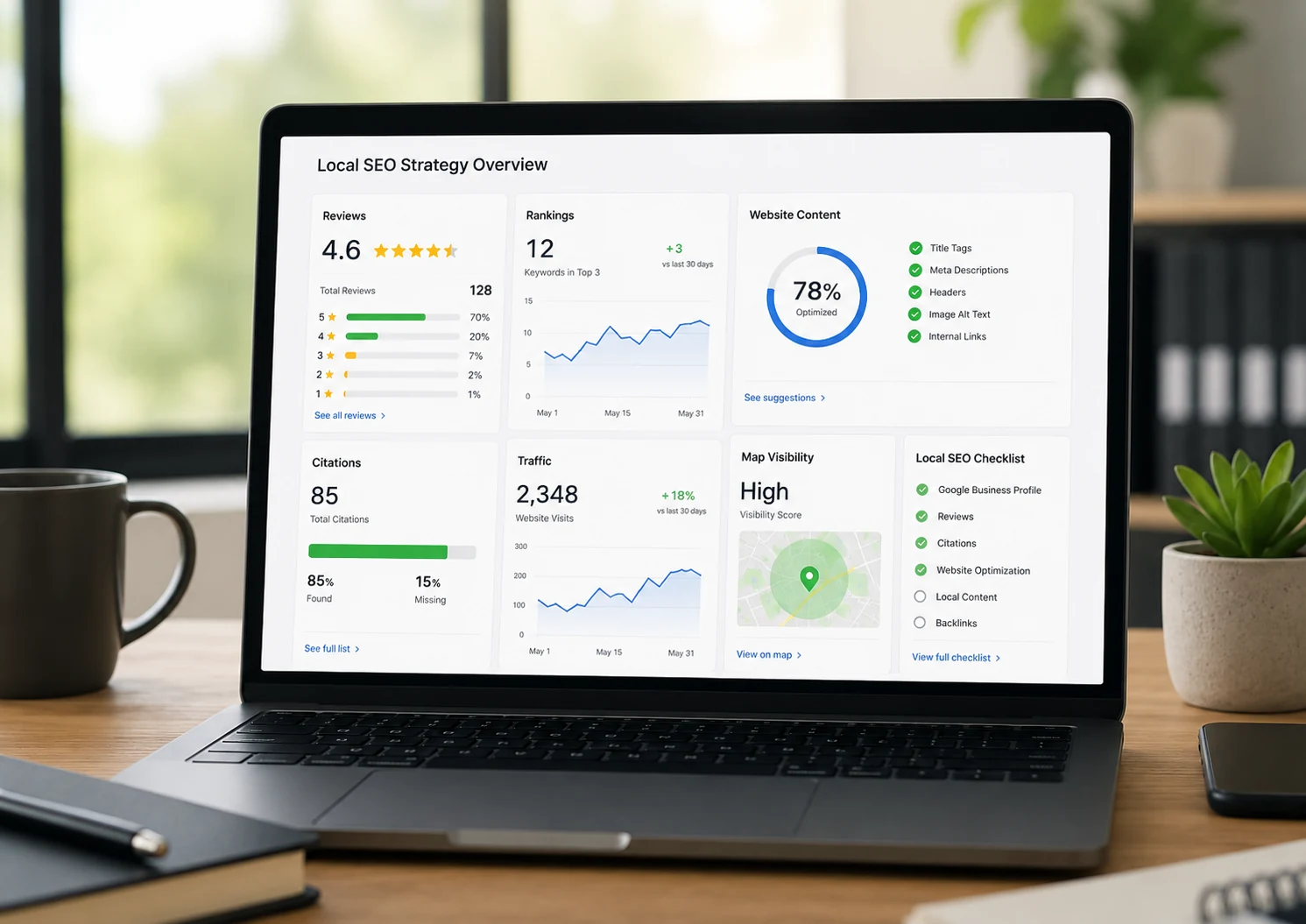
Google Business Profile optimisation is foundational. Incomplete or inconsistent profiles limit visibility regardless of how many 5-star reviews exist. Critical elements include accurate business name, primary category, secondary categories, address, service area, hours, phone number and website link. High-quality photos, services, descriptions and attributes, such as accessibility or payment options, also inform relevance and engagement.
On-site SEO still matters for local visibility. Location-focused pages with unique content, clear service descriptions and embedded maps help Google connect the website with local intent. Consistent use of the city or service area in titles, headings and body copy, along with fast, mobile-friendly pages, signals trust and usability.
Backlinks from reputable local sites strengthen authority. Even with strong reviews, a business lacking credible links may struggle to outrank competitors that invest in broader organic authority.
Name, address and phone number consistency still supports local SEO by helping Google and customers confirm that the business information is accurate. If directories and listings across the web show different versions of the business details, it can reduce confidence in the listing and create a poorer user experience.
Structured citations on platforms like Apple Maps, Bing Places, Facebook and trusted industry directories validate the business data that appears in Google. Unclaimed or outdated listings, fragmented NAP formats or old phone numbers can dilute local trust. Regular audits of citations and corrections through manual updates or data aggregators help reinforce accuracy.
Reviews affect human behaviour, but so do other experience signals. A well-optimised listing with clear categories, appealing photos and concise descriptions attracts more clicks and calls. If users can quickly understand what the business offers, where it operates and why customers recommend it, the profile is more likely to generate enquiries.
Content that answers local questions, such as “roof repair in [city]” or “best time to book [service] locally”, can capture map-focused traffic while also supporting broader organic search visibility. Guides, FAQs and localised landing pages create more entry points and support stronger engagement, complementing the trust created by reviews.
Google reviews can have a significant impact on local search visibility, but they work best as part of a broader local SEO strategy rather than as a standalone ranking tactic. Review quantity, quality, recency and consistent engagement all contribute valuable signals that help Google and customers assess a business’s prominence and trustworthiness. At the same time, factors such as Google Business Profile optimisation, website content, local citations and backlink authority remain essential for long-term local search performance. By treating review management as an ongoing business process rather than a one-off campaign, companies can improve their online reputation and their ability to attract more qualified local customers.