Request a FREE SEO audit & quote
Unlock the full potential of your online presence with our expert SEO services.
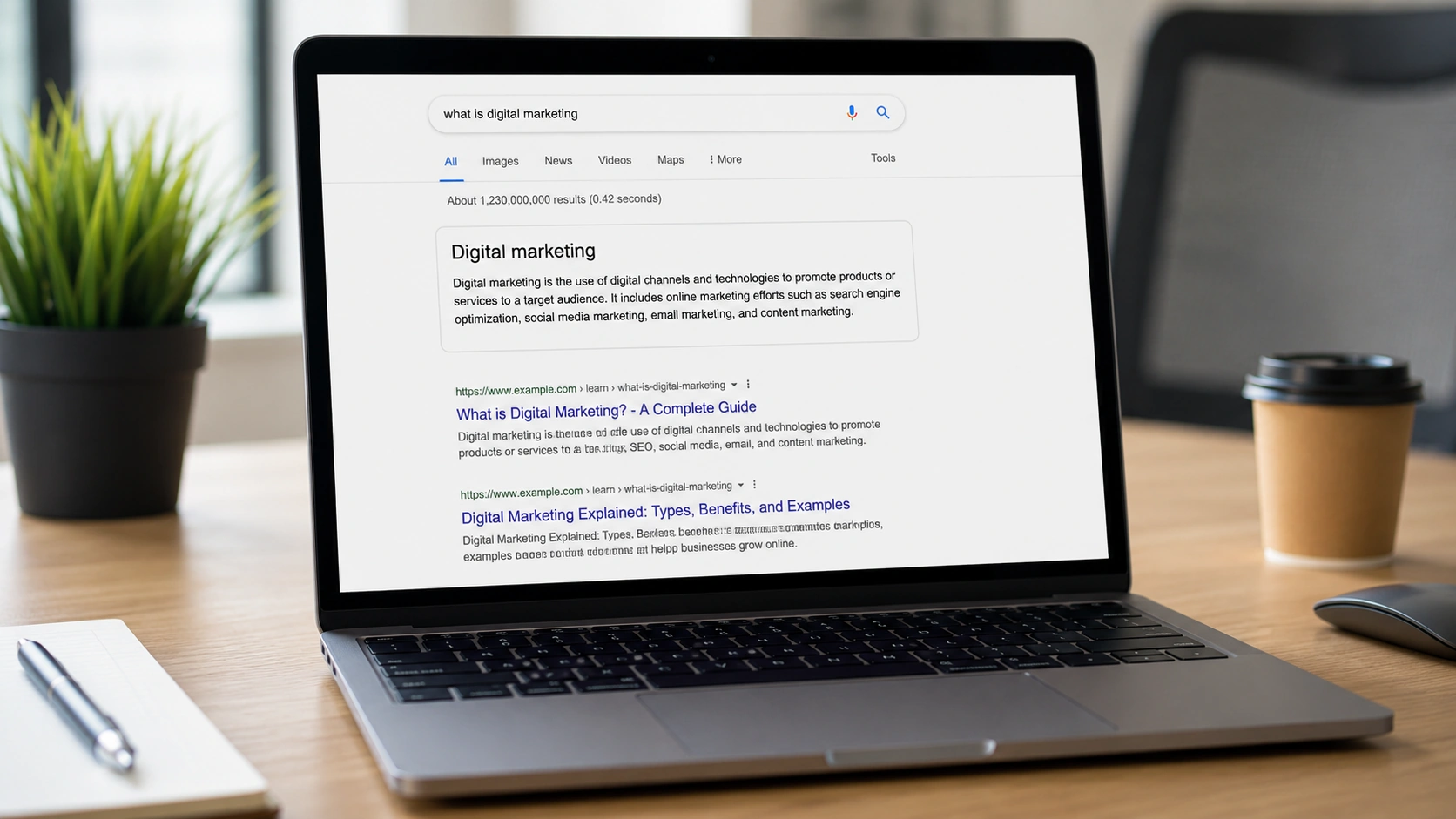
Search is no longer driven solely by website clicks. As Google continues to expand featured snippets, knowledge panels, local packs and AI-powered answers, businesses must adapt to a search landscape where visibility often happens before a visitor reaches a website. Understanding how zero-click searches influence online discovery has become an essential part of modern SEO, particularly for businesses working with a digital marketing agency in Sydney.
Volcano Marketing discusses what zero-click searches are, why they have become common and how they influence website traffic, brand visibility and customer behaviour. This article also explains the opportunities these search features can create, how to measure success beyond clicks and how businesses can build a stronger presence across search results.
A zero-click search is a search query where the user gets the answer directly on the search results page and does not click through to a website. The search engine satisfies the intent immediately through a featured box, panel, tool or AI-generated answer, which means the user may not visit a traditional organic result or paid ad.
Zero-click searches matter because they change how visibility translates into traffic. A website may appear prominently in search results but receive fewer clicks if the user already has the information they need. Understanding what counts as a zero-click search and how it appears on the results page is the first step to adapting an SEO strategy.
Zero-click searches occur when search engines display an answer unit that fully or largely resolves the query before a user needs to scroll or click. These units often sit above or alongside regular organic results.
Common zero-click formats include:
For example, if a user searches “2+2”, a calculator appears with the answer. For “Australia weather”, the forecast card appears at the top of the results. For “what is SEO”, a short explanation may appear in a featured snippet. In each case, users may stop on the results page, creating an impression without a website click.
Not every query is equally likely to produce a zero-click result. Search engines generally provide instant answers when the intent is clear and the answer can be delivered with confidence.
Common query types include:
For more complex research or high-stakes decisions, such as “best project management software” or “commercial roofing contractors near me”, users are more likely to click through multiple results. However, even in these cases, elements like local packs, review panels and AI summaries can partially satisfy intent before the user reaches a website.
Zero-click features are designed to improve user experience by reducing the time between a search query and an answer. By providing information directly on the results page, search engines can make information access faster, simpler and more convenient.
These features also allow search engines to:
For businesses, this means search visibility can no longer be measured by clicks alone. Impressions within search features, brand presence in knowledge panels and inclusion in snippets can all contribute to how a business is discovered, even when users do not leave the search results page.
Zero-click searches commonly appear when the search engine can answer a query directly on the results page. Instead of encouraging the user to click through to a website, the search engine displays information in a prominent module, panel or snippet.
Although Google is the most common source of zero-click searches, other search engines and digital platforms use similar formats. Understanding where these results appear helps businesses identify which queries may lose clicks and which search features can still support visibility, enquiries and brand recognition.
Featured snippets appear near the top of the search results and pull a short answer from a web page. These may appear as a paragraph, numbered list, bullet list or table. For example, a search for “what is a zero-click search” may display a short explanatory paragraph directly in the results.
Direct answer boxes are even more self-contained. These often cover facts such as dates, ages, definitions, currency conversions, weather updates or basic calculations. For simple questions, the answer box may remove the need to visit another website.
Knowledge panels appear on the right side of desktop search results or near the top on mobile. They aggregate information about entities such as brands, public figures, places, products or organisations. They often include a short description, key facts, images and links to official profiles.
Local packs are the map-based search results that display nearby businesses for location-focused searches. These commonly appear for searches such as “coffee shop near me”, “plumber open now” or “digital marketing agency Sydney”. Local packs often show business names, ratings, addresses, opening hours, directions and click-to-call buttons.
Many users call directly from the search results, request directions or compare reviews without visiting the business website. These actions may not appear as traditional organic website clicks, but they can still represent valuable customer intent.
Several other search features can also generate zero-click behaviour because they provide information directly on the results page. These include:
Each of these formats shortens the user journey from search to answer. This shifts the focus of SEO from pure website traffic to broader visibility, engagement and brand presence across the search results page.
Zero-click searches can reduce website traffic and reported clicks, but they do not automatically hurt business outcomes. The real impact depends on the types of queries a business targets, how the brand appears on the results page and whether success is being measured only through website visits.
For some queries, especially quick fact checks and definitions, a zero-click result may fully satisfy the user and remove the reason to click through. For other searches, particularly local and high-intent queries, appearing in zero-click features can increase calls, directions, brand recognition and enquiries.
Zero-click searches are most disruptive for informational queries where the answer is simple and easy to extract. Featured snippets, instant answers and knowledge panels can supply a complete response directly on the search results page. In these cases, the search journey often ends without a click.
This can affect businesses in several ways:
Brands that rely heavily on short, fact-based content, such as definitions, dates, formulas or simple how-to answers, are more exposed to this impact. If a user only needs a single number, short explanation or quick answer, the incentive to click is low once that information appears in a search feature.
Zero-click results do not always mean lost opportunity. For many businesses, they shift value from website visits to direct actions and brand exposure.
Local businesses often benefit from zero-click behaviour. When a user searches “coffee shop near me”, “plumber open now” or “digital marketing agency Sydney”, they may not want to read a full website first. They may want a phone number, opening hours, reviews or directions.
Strong visibility in local packs, Google Business Profile and map results can lead to:
These actions may not count as traditional organic clicks, but they can still support real enquiries and revenue.
Zero-click searches can reduce traditional click-throughs, so judging success only by website sessions may not reflect true search performance. Businesses need to track how often their brand appears, how users engage with it on the results page and how those interactions translate into leads, enquiries or sales.
A stronger measurement framework connects search visibility with on-page behaviour, off-site actions and revenue outcomes. This creates a more accurate picture of how zero-click visibility supports business growth.
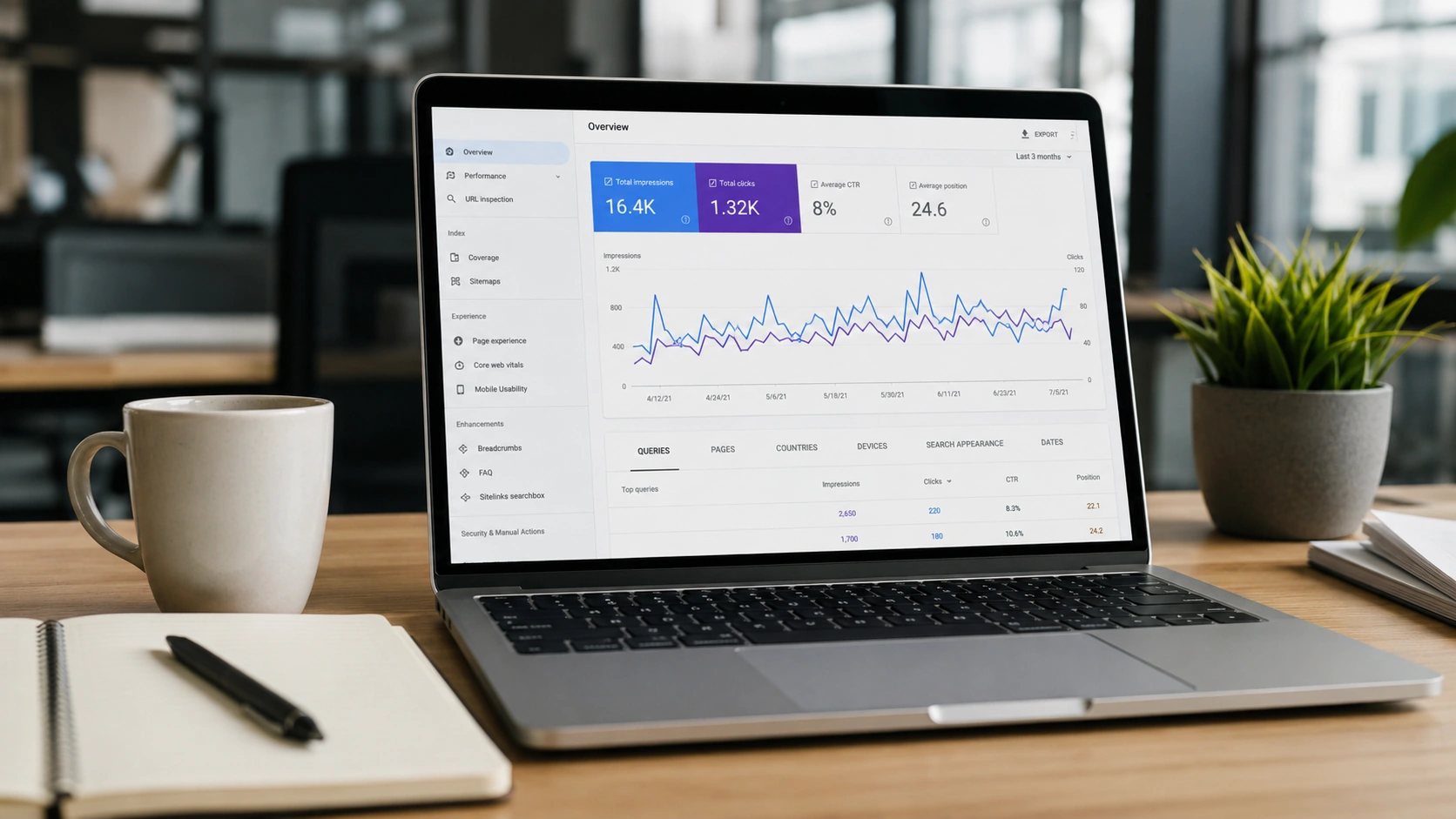
Start by measuring how prominently content appears in search results. Google Search Console and SEO platforms can help track:
Rising impressions with stable or improving positions may indicate stronger visibility, even if clicks remain flat. For branded queries, businesses should also monitor knowledge panel visibility, Google Business Profile performance and local pack appearances.
When users do click through from a zero-click result, they may already be more informed and intentional. Instead of focusing only on total traffic, businesses should also evaluate the quality of those visits.
Useful metrics include:
If traffic from a featured snippet is smaller but converts at a higher rate, the zero-click presence may be helping to pre-qualify visitors. Segmenting analytics by landing page and query intent can make it easier to compare informational, commercial and local search performance.
Zero-click searches can trigger actions that never touch the main website analytics platform. Measurement should also include:
For local and service-based businesses, these signals are often more important than raw traffic. A user who calls directly from the search results may be more valuable than a user who visits the website and leaves without taking action.
By combining impressions, engagement, off-site actions and revenue data, businesses can measure the real commercial impact of zero-click searches rather than judging success only by website clicks.
Zero-click searches do not remove visibility opportunities. They change where and how brands appear. Staying visible means understanding which search features appear for important queries and structuring content so the business can be included in those results.
This requires a combination of content strategy, technical SEO, local optimisation and clear measurement.
Featured snippets often answer questions directly, which makes them a major driver of zero-click behaviour. To appear in these results, content needs to match search intent and be easy for Google to understand.
Businesses can improve their chances by:
A useful approach is to place each important question as a subheading, followed by a direct 40 to 60-word answer. The page can then provide more detailed context for users who want to click through for examples, pricing, risks or comparisons.
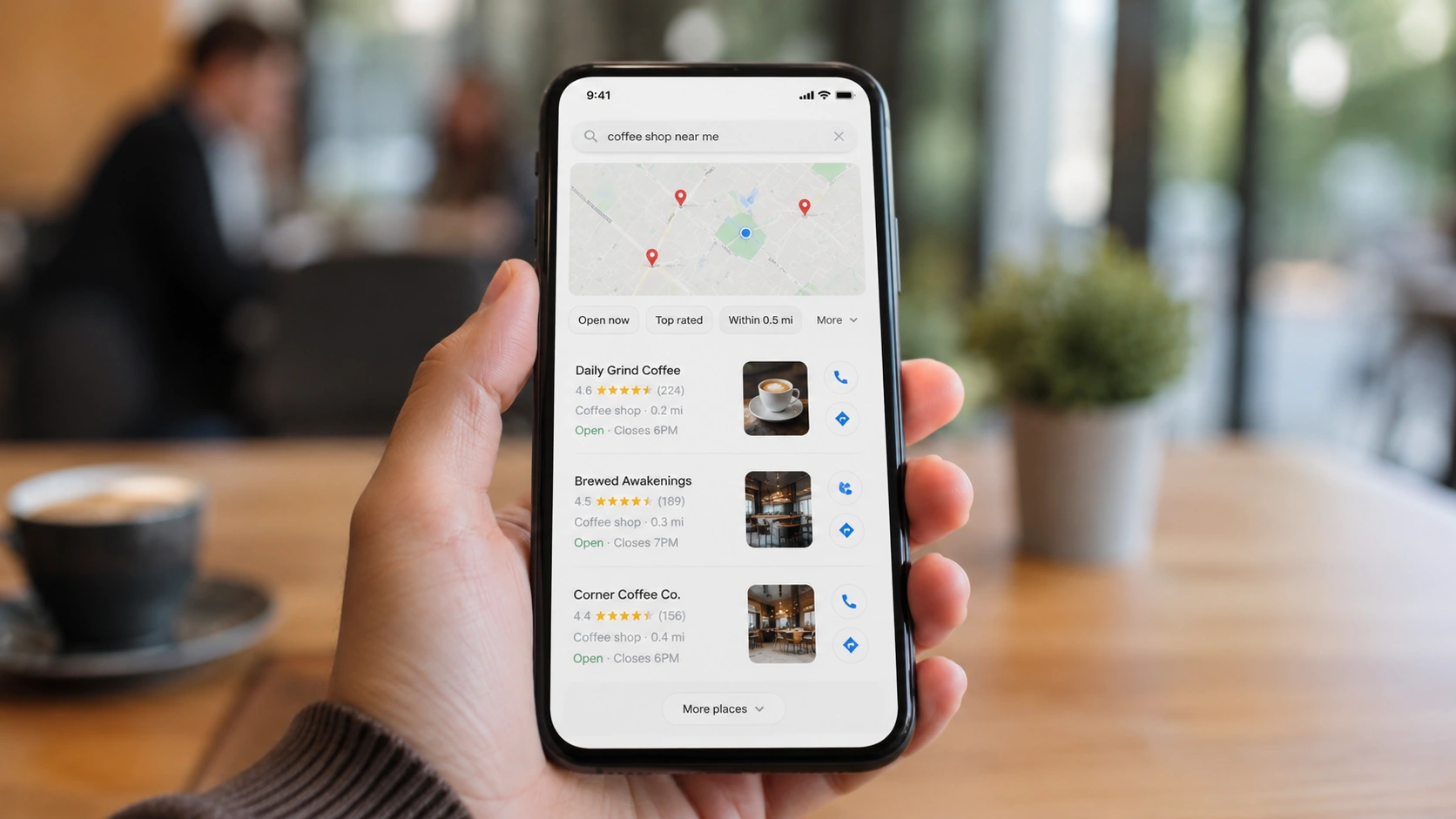
Many zero-click searches have local intent. In these cases, visibility often comes from the local pack, Google Maps and Google Business Profile rather than standard organic results.
To improve local visibility, businesses should:
The quantity, rating and freshness of reviews can influence local visibility and customer trust. For many local searches, a complete and active Google Business Profile can help generate calls, direction requests and enquiries without a website visit.
Structured data helps search engines understand website content and may support richer search results. Correct schema use can help search engines identify services, FAQs, products, reviews, organisation details and local business information.
Useful schema types may include:
Structured data should support accurate content rather than replace it. Search engines still need clear, useful page content that aligns with user intent.
For informational queries, content should provide direct answers and educational depth. For commercial or transactional searches, pages should make pricing factors, benefits, proof points and next steps easy to understand. This helps users see value directly in the snippet while still giving them a reason to click through for more detail.
Businesses should also review queries in Google Search Console where impressions are high but clicks are low. These queries may reveal opportunities to improve titles, meta descriptions, page structure or calls to action.
Zero-click searches may keep users on Google for quick answers, but the business website remains the central asset in a digital strategy. Search features can introduce a brand, but they cannot replace the depth, control and conversion potential of a well-structured website.
Search visibility without a strong destination can waste opportunity. A search result may answer a basic query, but the website is where trust is built, services are explained and enquiries are converted.
Zero-click results usually surface short factual responses. For anything that involves cost, risk or commitment, users often look for a credible source before making a decision. A professional website can signal legitimacy more strongly than a short snippet, map listing or social media profile alone.
A strong website supports trust through:
In industries such as legal, financial, medical, construction and B2B services, users often visit the website to check credibility before making contact, even if the initial answer came from the search results page.
Google controls the search results, but the business controls its website. Only on the website can the full journey from first visit to lead or sale be designed and improved.
A strong website can:
Zero-click searches may satisfy a quick question, such as opening hours or a simple definition. However, when someone is ready to compare options, request pricing or evaluate a provider, the website’s structure, content and messaging often determine whether that visitor converts.
The website also acts as the central hub for other digital marketing channels. Social media posts, email campaigns, paid ads, local listings and offline promotions often lead users back to a website where they can learn more or take action.
Relying only on zero-click visibility or third-party platforms creates risk. Search layouts, social algorithms and platform policies can change quickly. A well-maintained website provides a stable home for content, landing pages, lead magnets, service information and customer support resources.
This makes the website essential even as search behaviour changes. Zero-click features may influence the first interaction, but the website remains the place where deeper engagement and conversion occur.
Zero-click searches represent a lasting shift in how people discover information and interact with search engines. While these features can reduce traditional website clicks, they also create new opportunities for businesses to build authority, strengthen brand recognition and capture high-intent customers directly within the search results.
Success now depends on looking beyond rankings and traffic alone. Businesses need to focus on visibility, search intent, local presence, structured data and meaningful business outcomes. By optimising content for featured snippets, local search features and rich results while continuing to invest in a high-quality website, businesses can remain visible and competitive as search behaviour continues to evolve.