Request a FREE SEO audit & quote
Unlock the full potential of your online presence with our expert SEO services.
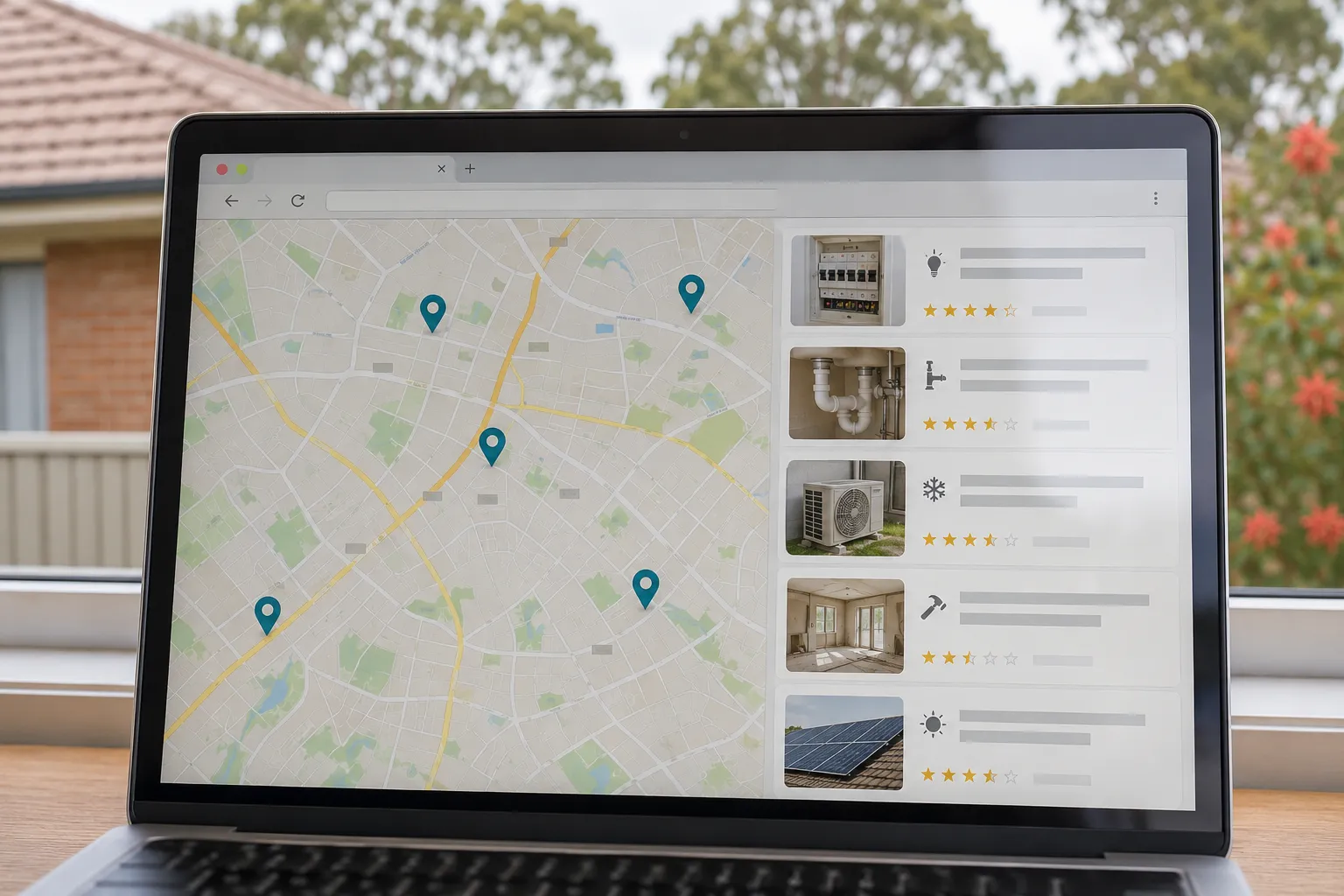
Local search is one of the main ways homeowners and businesses find tradies in their area. When someone searches for a service provider, appearing prominently in local results can mean more calls and quote requests. For trade businesses working with a digital marketing agency in Sydney, improving local visibility is part of attracting customers in the suburbs they service.
Google Maps rankings are influenced by several factors. A consistent approach across the Google Business Profile and website can help a trade business compete more effectively in nearby areas.
Volcano Marketing helps strengthen local search signals and build a stronger presence in the areas they service. The following strategies cover everything from optimising a Google Business Profile and targeting local keywords to creating useful suburb pages, building local authority, earning reviews and tracking performance.
Google Maps rankings determine which tradies appear in the map pack when customers search for services in a particular area. For plumbers, electricians, builders and other trades, strong visibility can lead to more calls and quote requests. Understanding what influences these rankings helps businesses focus their efforts on the areas most likely to generate results.
Google’s local algorithm considers three key factors: relevance, distance and prominence. Relevance looks at how closely the business matches the search, distance considers how close it is to the searcher and prominence reflects how established and trusted the business appears online.
Relevance measures how closely a business matches what the customer is searching for. An emergency plumber, for example, is more likely to appear for an “emergency plumber near me” search when its profile clearly identifies emergency plumbing as a service.
Use the most accurate primary category and relevant secondary categories where appropriate. The business description and services should also clearly explain what the tradie provides, such as blocked drain repairs, hot water repairs or switchboard upgrades. Relevant photos and profile updates can further reinforce these services.
Distance refers to how close the business is to the searcher or the location included in the search. A tradie based in one suburb will have a stronger local presence there than in a suburb several kilometres away.
The address listed on the Google Business Profile should be accurate and consistent with the website and other online listings. Using a fake address or virtual office can create problems, including profile suspension.
Service area settings can show where a tradie operates, but they do not replace the importance of the actual business location.
Prominence reflects how established, visible and trusted a business appears online. Important signals can be:
These signals work together to establish the business's relevance and credibility in local search.
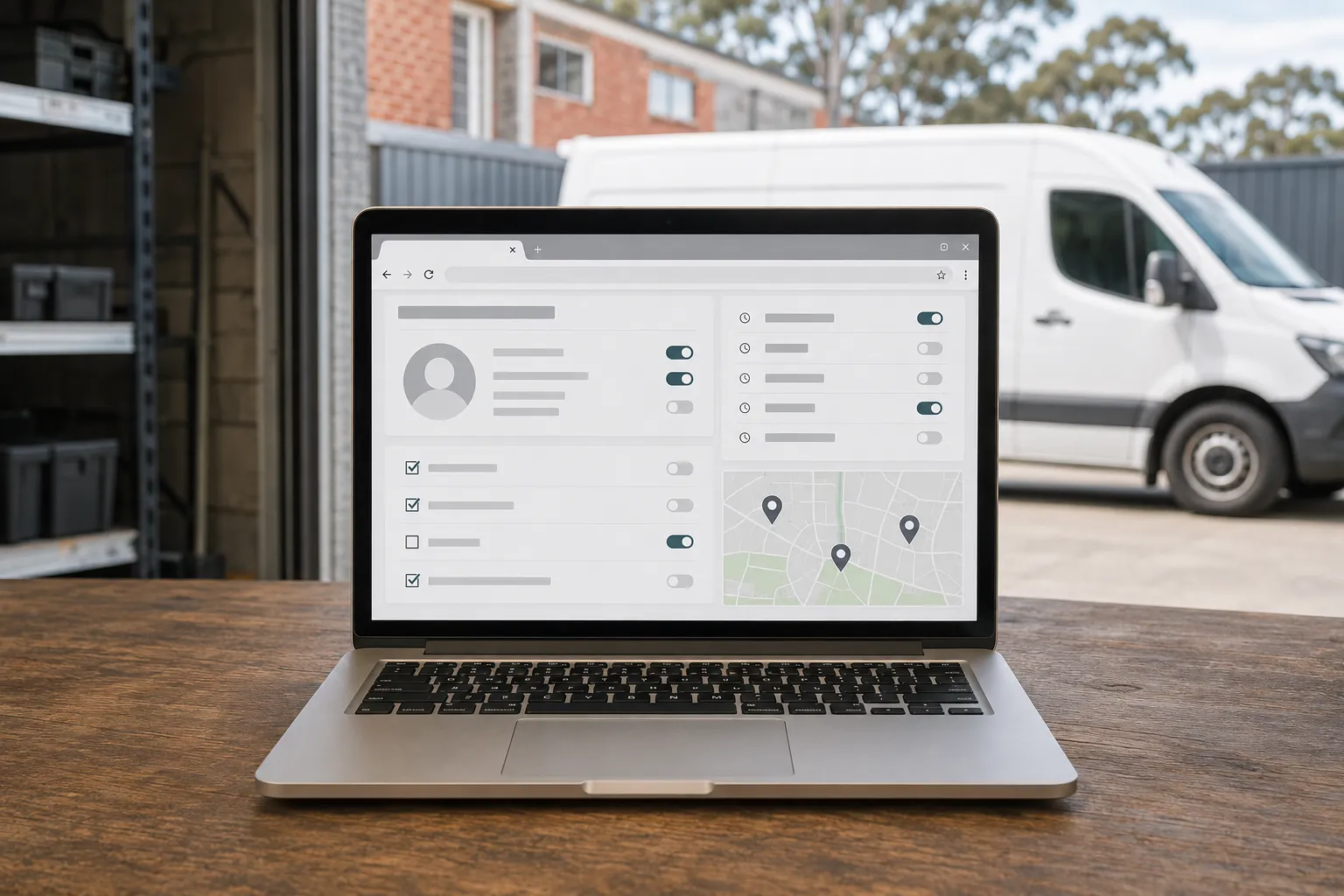
A complete and accurate Google Business Profile gives Google the information it needs to understand what a trade business offers, where it operates and which searches it may be relevant for. For tradies competing in Google Maps, getting the profile right is an essential first step.
Claim the profile and complete the verification process. Use the business's real-world name rather than adding suburb or service keywords. Select the most accurate primary category for the main trade and add secondary categories only where they genuinely apply.
Fill in all relevant fields so customers can quickly understand the business and its services. Include the business description, services, phone number, website, opening hours, service areas, address where applicable and relevant photos.
Use clear language to describe specific services like leak detection, blocked drain repairs, hot water repairs or emergency plumbing instead of relying on broad descriptions.
Make sure the business name, address, phone number, website and other key details match across the Google Business Profile, website and important directories. Update opening hours and contact information whenever they change.
Consistent information helps Google connect references to the same business and ensures customers receive accurate information.
Upload quality photos of completed work, team members, vehicles, equipment and premises where relevant. Genuine updates about recent projects, seasonal services or useful information can also keep the profile active.
The aim is to provide an accurate and trustworthy picture of the business rather than filling the profile with repetitive promotional content.
Many tradies service several suburbs, but Google Maps does not treat every location within a service area as equally local. A business may rank strongly near its physical address but struggle in neighbouring suburbs because distance, relevance and prominence change from one search location to another.
Another challenge is a lack of suburb-specific signals. A generic service page or broad service-area description gives Google limited evidence that a business regularly works in a specific suburb. Useful suburb pages, genuine customer reviews, consistent citations and relevant local links can provide stronger evidence of local relevance.
Tradies should therefore prioritise suburbs they genuinely service or want to grow in rather than creating pages for every possible location. A smaller number of useful, well-supported locations is more valuable than dozens of thin suburb pages.
The right local keywords help tradies reach customers actively searching for their services in specific areas. Rather than focusing only on broad terms, combine service, location and search intent.
Build keyword combinations around genuine services and priority suburbs. Here are some examples:
There is no need to target every service in every suburb. Prioritise locations where the business already has customers, wants to grow or can provide a competitive service.
Customers may search for a specific trade, describe a problem or look for urgent assistance. Include a mix of core service, problem-based, emergency and specific-job searches.
Google Search Console, customer enquiries, phone conversations and search suggestions can help identify the terms customers actually use. A focused list of relevant keywords is more useful than filling pages with repetitive variations.
Assign each keyword to the page that best answers the search. Core services should have dedicated service pages, while location-focused searches can be supported by relevant suburb pages.
Use local keywords naturally in titles, headings, content and internal links. Avoid excessive repetition and prioritise content that directly answers the customer's needs.
A well-optimised Google Business Profile works best when the website reinforces the same service and location signals. The website should make it clear what the business provides, where it operates and how customers can get in touch.
Focus important pages on genuine services and locations rather than trying to make one generic page rank for everything. Use relevant service and suburb terms naturally in page titles, headings, introductory content, meta descriptions and internal links.
The homepage should clearly identify the primary service area, while the contact page should provide accurate business details. Where the business genuinely services multiple priority suburbs, unique location pages can provide more specific information.
Websites can also use Local Business structured data to provide Google with organised information about details such as the business type, address, opening hours and contact information.
Local trade searches often happen on mobile devices, so pages should load quickly and be easy to navigate. Make phone numbers clickable and keep quote or booking options easy to find.
Trust signals such as genuine reviews, completed project photos, relevant licences, qualifications and clear service guarantees can also help turn local visitors into enquiries.
Suburb pages can help tradies demonstrate where they operate, but they should not be created simply by changing the suburb name on the same template. Each page should provide useful information that is relevant to the location and the customers who live there.
Businesses can also use hyperlocal SEO strategies to strengthen their relevance in priority suburbs without creating large numbers of repetitive location pages.
Focus on priority suburbs and explain the services available, common local property or service issues, nearby areas covered and relevant examples of work completed in the area. Local FAQs can also address questions that matter to homeowners, property managers or businesses in that suburb.
Avoid thin or near-identical pages. Instead, include genuine local information where the information is accurate.
Use the suburb naturally in the H1, headings, copy, title tag and meta description. Internal links to relevant service and nearby location pages can also help visitors navigate the site.
Include genuine project photos, customer reviews, relevant experience and practical information about service availability. Where appropriate, mention completed work in the suburb naturally to demonstrate that the business has real experience in the area.
The goal is to create a useful landing page for local customers, not a page written solely for search engines.
Local SEO should not end when someone clicks through from Google Maps. If visitors cannot quickly confirm that the business services their area, find the right service or make contact, they may choose a competitor instead. Keep the main service area, nearby suburbs, contact details, opening hours and relevant availability easy to find. Avoid long lists of suburbs created purely for SEO.
Make contacting the business straightforward by keeping the phone number visible, making it clickable on mobile and using clear calls to action such as Call Now, Request a Quote or Book a Service. Forms should ask only for the information needed to respond.
The website should also connect related service and location pages through useful internal links. Finally, reinforce trust with genuine reviews, project photos, licences, qualifications and relevant guarantees.
Most importantly, website information should match the Google Business Profile. Consistent business details create a smoother journey from local search to website enquiry while reinforcing the business's credibility.
Consistent business citations and quality local links can strengthen a tradie's online authority and help Google connect the business with its service area. Keep the business name, address, phone number and other important details consistent across the Google Business Profile, major directories, trade platforms and relevant local listings.
Prioritise reputable sources rather than creating large numbers of low-quality listings. Useful opportunities can include Australian business directories, trade associations, local business networks, council listings, supplier directories and relevant industry platforms.
Local links can provide another layer of authority. Tradies can earn them through community sponsorships, partnerships with complementary businesses, supplier networks, local publications and genuine community involvement. Quality and relevance matter more than quantity, so focus on links from trusted organisations connected to the areas the business actually services.

Genuine customer reviews can strengthen a tradie's Google Maps presence while helping potential customers feel more confident about making contact. Encourage satisfied customers to leave reviews after completed jobs by making the process easy, like sending a direct Google review link by text or email.
Understanding how Google reviews affect local search rankings can help tradies focus on review quality, recency and authenticity rather than relying only on the total number of reviews.
Customers can mention the service provided and suburb if they choose, but reviews should never be scripted or incentivised. The focus should be on generating genuine feedback that describes the customer's experience and the work completed.
Respond to reviews consistently and professionally. Thank customers for positive feedback and address negative reviews calmly by acknowledging the concern and offering to resolve the matter privately. This demonstrates that the business is active and takes customer service seriously.
Ranking well near the business address does not guarantee visibility throughout the service area. Google Maps results can vary by location, so a tradie may rank strongly in one part of a suburb but appear much lower a few kilometres away.
Geo-grid rank tracking tools can provide a clearer picture by checking Google Maps rankings from multiple locations across a suburb or service area. Track important service and location searches, focusing on areas that generate existing work or offer genuine growth opportunities.
Review the data regularly and use it to guide improvements. Areas with weaker visibility may need stronger suburb content, relevant local links, consistent citations or more genuine reviews. The goal is not simply to rank first at the business address but to build useful visibility across the locations that matter most.
Local SEO is essential for tradies looking to generate more enquiries and quote requests from the suburbs they service. A well-optimised Google Business Profile, targeted local keywords, useful suburb pages, consistent business information, genuine reviews and quality local links all work together to strengthen Google Maps visibility and customer trust.
Volcano Marketing understands that strong local rankings are built through consistent optimisation rather than one-off tactics. By strengthening local signals, improving the customer experience and using performance data to guide ongoing SEO efforts, tradies can build greater visibility and become a trusted choice for customers searching for their services nearby.