Request a FREE SEO audit & quote
Unlock the full potential of your online presence with our expert SEO services.

SEO now determines how AI recommends content because AI systems rely on search-based signals like relevance, structure, authority and trust to decide which pages deserve to be recommended, summarised or quoted as the “best answer”. At Volcano Marketing, we’ve seen a clear shift in how Australians discover information online, with more customers skipping traditional browsing and instead turning to AI-powered search results, voice search and answer engines to make faster decisions.
This article is for Australian business owners, marketing teams and local service providers who want to stay visible as the rules of content discovery evolve. And it matters more than ever, because in an AI-first world it’s no longer enough to simply publish content and hope it ranks. If your pages are unclear, thin, or poorly structured, AI may ignore them entirely, leading to fewer enquiries, fewer leads and slower growth, even if your business genuinely delivers better results than competitors.
In this guide, you’ll learn how AI decides what content to recommend, which SEO signals influence AI-driven discovery and practical steps to create content that AI can understand, trust and surface more often across Australia.
AI systems don’t recommend content randomly. They scan the web looking for sources that appear reliable, structured and directly useful. In simple terms, these systems are constantly deciding what information is worth trusting enough to display as an answer.
For Australian businesses, this shift matters because customers are changing how they search. Instead of clicking around websites, people now ask AI tools direct questions like, “Who’s the best roofer near me?” or “How much does solar installation cost in NSW?” That means your content needs to be understood quickly and confidently by AI, or it risks being skipped entirely.
Traditional Google search used to be link-first. Users searched, got a list of websites, and then clicked and compared results.
Now, AI-powered search behaves more like an “answer engine”:
This creates a new form of competition: you’re not just fighting for page one rankings. You’re fighting to be one of the few sources AI chooses to include.
AI systems evaluate content using patterns that closely resemble SEO ranking factors. They look for signals that suggest your content is credible and accurate, such as:
A big part of AI decision-making comes down to confidence. If AI isn’t confident your page provides a reliable answer, it will usually avoid recommending it.
Even accurate content can get overlooked if it’s hard to interpret. AI prefers content that’s structured clearly and broken into digestible sections.
Content often gets ignored when it includes:
If your page feels messy or hard to scan, AI sees it as high-risk. And AI avoids high-risk sources.
SEO has always helped websites rank, but now it plays an even bigger role. SEO signals act like a “trust framework” that tells AI whether your content is worth including in recommendations or summaries.
Think of it like this: AI wants to give users the best possible answer quickly. To do that, it needs sources that are clearly organised, demonstrate real expertise and cover topics properly. That’s exactly what strong SEO does, which is why SEO is now tightly connected to AI visibility.
Structure is one of the most powerful signals for both SEO and AI selection. AI looks for pages that are easy to break into logical parts.
A strong hierarchy includes:
If your content is structured well, AI can:
AI systems favour content that covers a topic comprehensively, not just lightly. This is often referred to as “topical authority”.
Topical depth is built when your website:
For example, if you want visibility for SEO in Australia, you shouldn’t publish only one SEO article. You’d build a topic cluster such as:
This tells AI your site isn’t guessing. It’s knowledgeable and consistent.
E-E-A-T stands for:
These signals tell AI that your content comes from a real business or professional, not an anonymous content farm.
In Australia, E-E-A-T can be strengthened through:
AI systems increasingly reward businesses that can demonstrate legitimacy and real-world credibility.
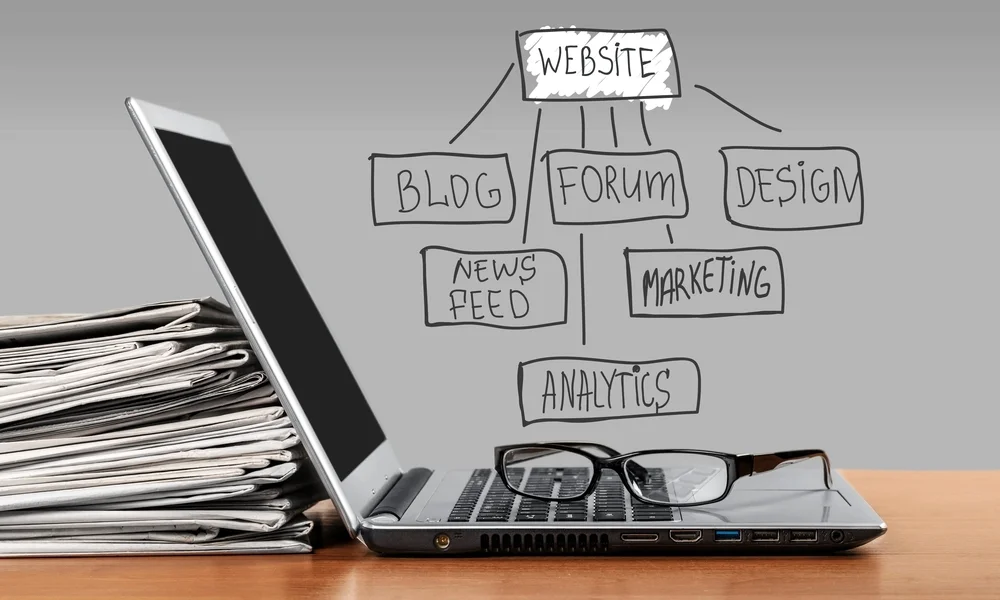
If customers are using AI to discover services, the goal is simple: create content that AI can confidently understand and recommend. That means optimising not only for Google rankings but also for how information is extracted, summarised and selected by modern answer engines.
This is where many Australian businesses can gain an advantage quickly. Most competitors are still writing blogs like it’s 2018, focusing on keywords but ignoring structure, intent and clarity. If you create better content now, you can become one of the trusted sources AI prefers.
Keywords still matter, but intent is what makes your content useful.
Instead of writing only “SEO Sydney”, you should consider the real intent behind it:
To write for intent:
This is especially relevant for local service businesses where buying decisions depend on trust.
The easiest way to increase AI visibility is to create content that AI can extract cleanly.
To do this, include:
This is also why working with a digital marketing agency in Sydney that understands modern content structure makes a real difference. AI doesn’t reward noise. It rewards content that is organised, helpful and easy to verify.
Some SEO habits reduce your visibility because they reduce trust. In the AI era, trust matters more than ever.
Avoid:
If AI detects content as low credibility, it won’t recommend it. It’s that simple.
SEO now plays a bigger role than rankings alone. It directly impacts whether your content is trusted enough to be surfaced, summarised and recommended by AI systems. Australian businesses that invest in structure, topical depth and real credibility will be positioned to win in this new era of discovery, while businesses relying on outdated tactics risk becoming invisible. And at Volcano Marketing, we believe the smartest move today is creating content that search engines and AI tools can both understand, trust and recommend with confidence.